Pursuit of wisdom

Since starting this academic caper I am constantly surprised at how much I really don’t know. There’s more research after a PhD?!? It takes six months to publish an article?!? The study on Balinese cocktailology got funding?!? The more I know, the more I know I don’t know, yet the unknowing cultivates an appetite for knowledge and to me it seems that having a whole life to explore wisdom frontiers is one of the most luxurious affordances of our world.

The pursuit of wisdom so far has been signposted with some very inspiring characters, and after an immersive encounter with several during last week’s Beyond Behaviour Change symposium at RMIT I am feeling tipsy with ideas and my fingers are champing to spill impressions.

Beyond Behaviour Change is easily the most intimidating conference I have ever had a paper accepted at. Twenty-five world leading social theorists from Australia, Denmark, America and England presenting on sustainability transitions. Elizabeth Shove, Yolande Strengers, Gordon Walker, Cecily Maller and Theodore Schatzki together for three intense days. These thinkers are inspiridating in myriad ways, not only for their proliferation of seminal social concepts since before I was born, but also for their fresh and relevant worldviews. During the course of the symposium I felt humbled and encouraged by the interest, humility and patience that the big kids in social practice theories extended to each other, and the constructive feedback lavished on the younger generation of researchers.

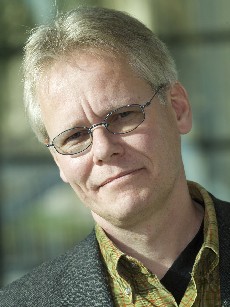
I was also happily awed at the positive outlook and the humility of these doyens, outside the professional realm. The more important the person, the less important and blustery the demeanour. Theodore Schatzki (pictured) epitomises this; one of the most widely cited social practice theorist, he was perhaps the most unassuming, generous and encouraging with his comments. This is an impression I cherish, and hope like him, to both contribute in meaningful ways to sustainability discourse and also inspire the same confidence and motivation in future researchers being born today.

Posted in Uncategorized | Tagged , , , , , , , , , , , | 1 Comment

More InDensity

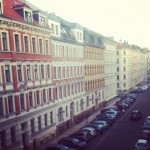
One of the things that impressed me most about Europe is the cosmopolitan lifestyle. Cafés on every corner, parks, bike-lanes, families outside – the cities feel so vibrant and alive.  I think one of the reasons that this is possible is the urban density; mid-rise apartments mean that more families can live closer together, and support more small shops and restaurants and thus fuel the vibrancy.  Density also means more frequent public transport, more hospitals, more libraries, and more schools within walking distance.

Some would say that living in an ‘ant-hill’ is unAustralian and grumbling about pollution move further out, clinging to the house and yard dream/fallacy.  However the suburban lifestyle is drifting further away from utopia with limited public transport and longer commutes leading to lack of access to everyday conveniences, community facilites, less free time, higher rates of obesity and can be extremely isolating.

After seeing how dynamic, clean and healthy city living can be I am all for increasing density in Australia.  Next time an apartment block is proposed nearby, don’t be a nimby, just think ‘Awesome more small shops, more bike-lanes, public transport, schools, hospitals, libraries and public spaces!’

If you get super excited about it you can email your local member for urban planning. Or even  liveable.cities@infrastructure.gov.au to let them know what you think.

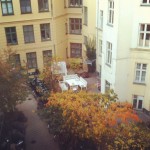
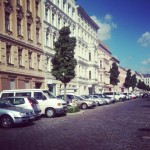
Here are some of my European apartment living photos.


Posted in Uncategorized | Tagged , , , , , , , | 2 Comments

Why Wash Cold

“Why Wash Cold? It’s simple. Save Energy. Reduce CO2. Save Money.”
– Parsons Fashion Marketing and Communication Design Students 2011

An amazing student video that tackles some environmental issues around washing. Contains nudity.

Wash Cold from 560 Parsons Fashion on Vimeo.

Posted in Uncategorized | Tagged , , , , , | Leave a comment

Laundry Aisles

At the beginning of the year I took a series of photographs of laundry aisles all around Melbourne.  I had totally forgotten that I had them until Charlotte told me about a series of photos she took of supermarket lighting. These photos were taken during my fascination with cleanliness in Australian everyday life.

Posted in my work | Tagged , , , , , , , | Leave a comment

Hipster Hobo in Malmö

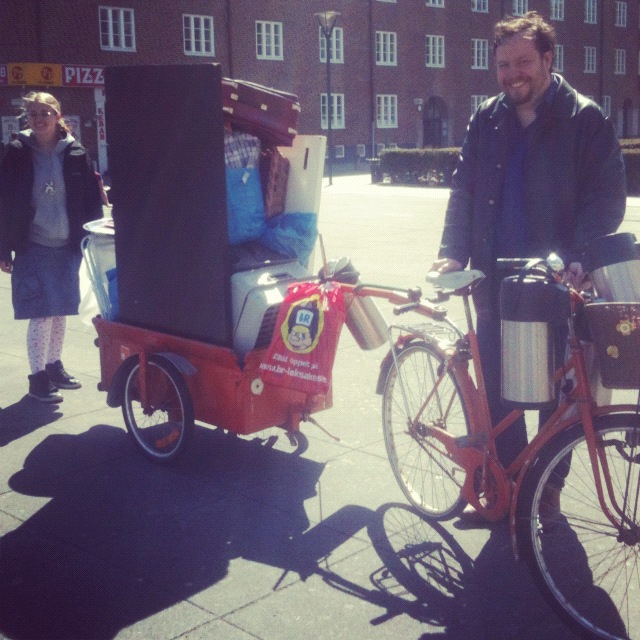
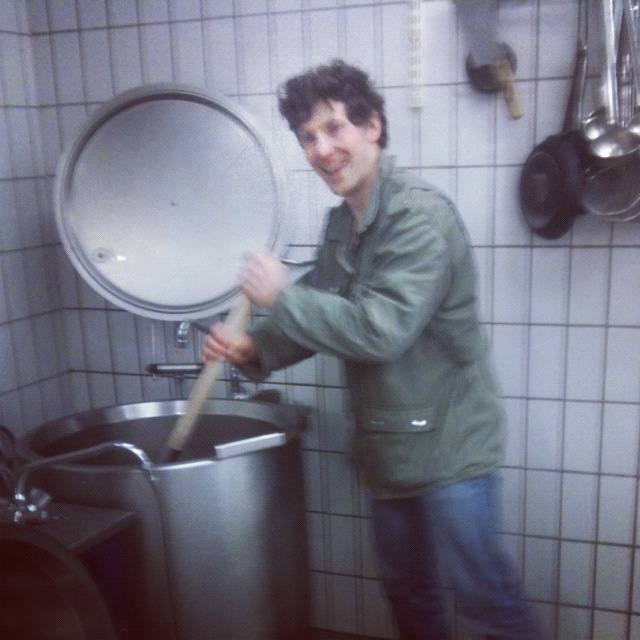
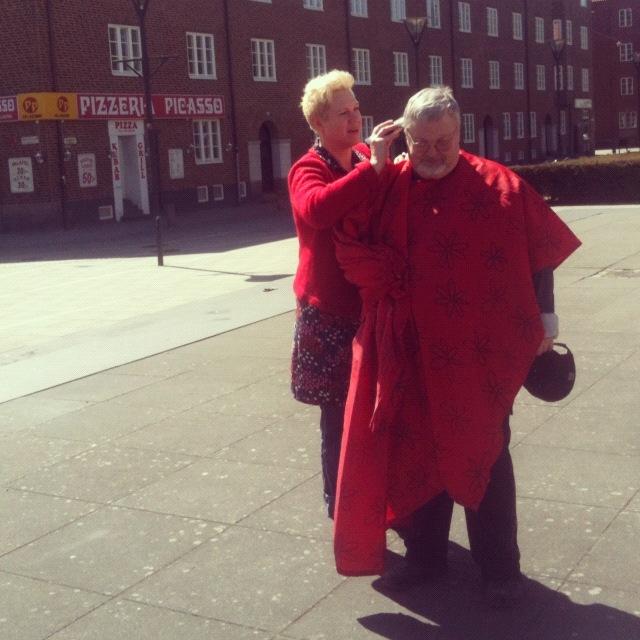
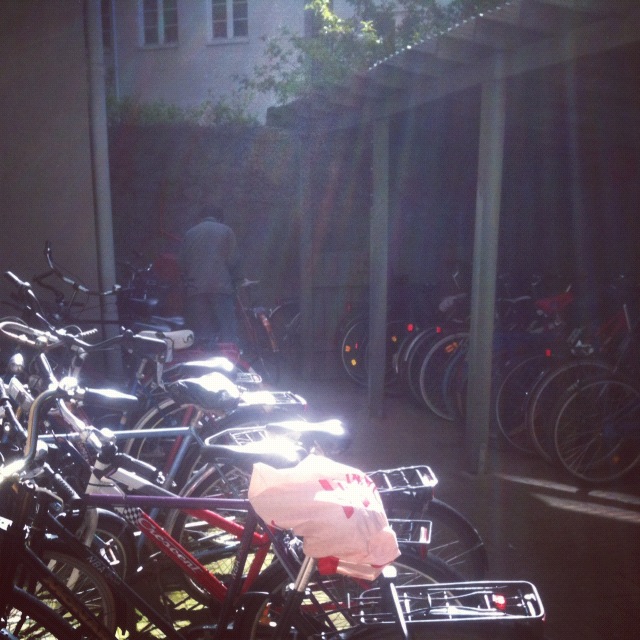
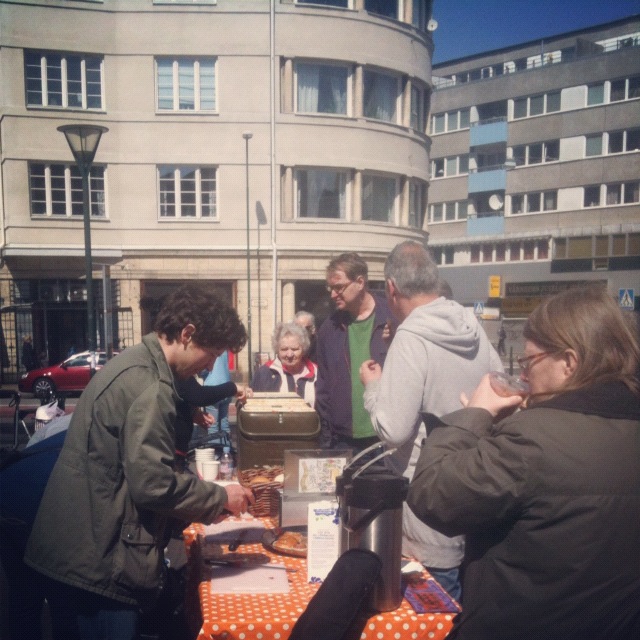
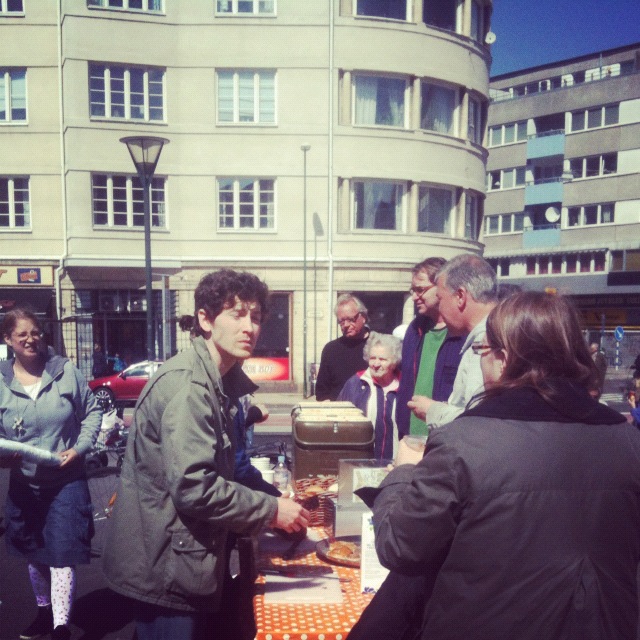
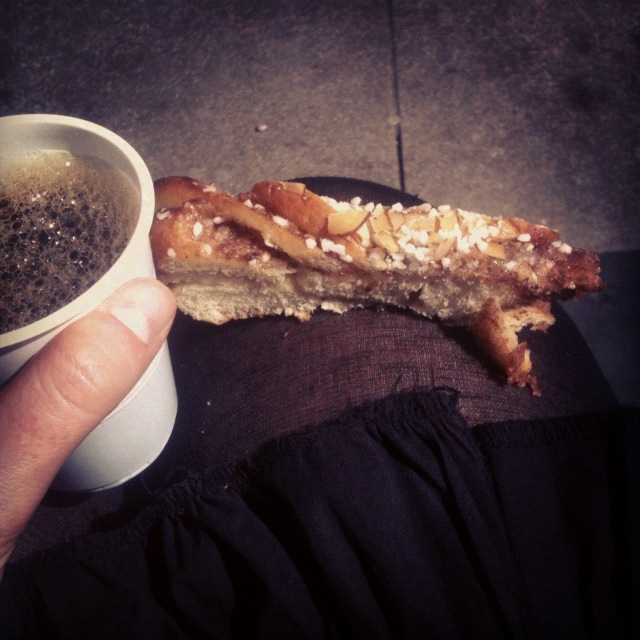
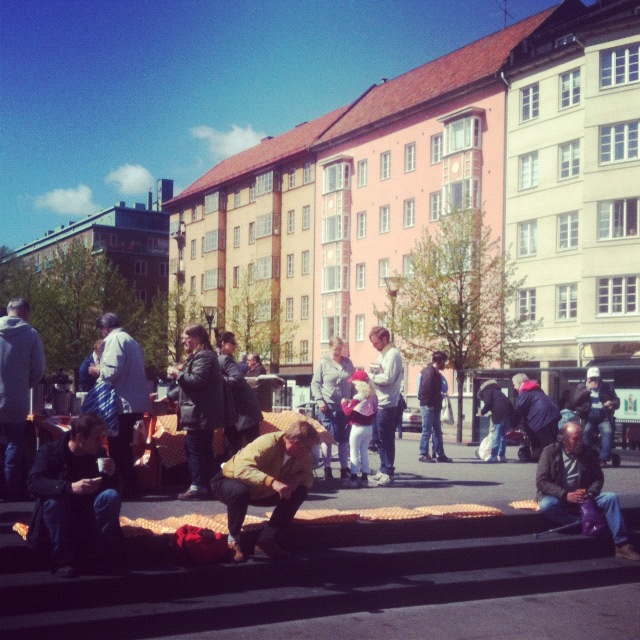
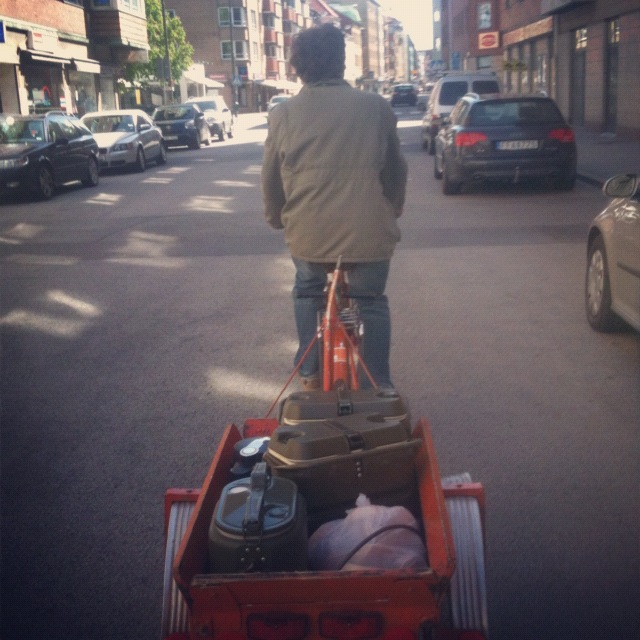
I stayed with some friends of mine in Malmö last May after presenting at ERSCP.  While I was there Matthias asked me if I would like to help with Soppa för Värme, the soup kitchen that he is part of, and of course I agreed camera in hand.  We rode our bikes to pick up left over soup from fancy hotels, and day old bread, and then set up with some of his friends in a local square and served up the treats.   There was also a guitarist playing lively music, and a woman giving free haircuts.  The people who came to eat had a great sense of community and were kind enough to speak to me in English, I was even proposed to by one particularly rakish codger.  Here are some of the photos from that day.

Posted in Uncategorized | Tagged , , , , , | 2 Comments

Charmpits

Out of ALL the parallel universes – how on earth did we end up on the one where women devote hours, fortunes and endure torturous pain to keep our armpits hair less? How do we cross over to a jubilantly curly Universe?

This post was inspired by Emer O’Toole who wrote a piece in the Guardian newspaper about this issue.

Thanks for the beautiful image Sian.

Posted in Uncategorized | Tagged , , , , , , | Leave a comment

Collective Agency & Institutions, Sustainability, and the Capability Approach

I was in Leipzig for a workshop on Collective Agency, which was very inspiring and thought provoking, and I wanted to share all of the discussions here, but they were so proliferate and sometimes disparate that I am going to focus on one standout presentation by Christoph Görg.  He gave a super clear and relevant account of global society, societal individuals and the natural environment – I haven’t scribbled that hard since first year uni, and I’m pretty sure I have his whole presentation verbatim. They say that if you can’t explain something simply you don’t know enough about it, and while I definitely don’t know enough about social theory, hopefully his words can make the history and environmental implications of social theory clearer.

Görg started with Giddens 1984 theory of structuration pitching structure vs agency and society vs individual.  He then shared some of his concerns about the ways that this translates to the real world, namely: ontological, methodological and ethical.  He felt that social structures compel adherence but ignore the rights of the individuals (like women not having the right to vote), so he felt that while methodologically structuration was an applicable way to understand the world, ethically he felt that individuals need more freedom.

He then pit Durkheim’s 1892 view that individuals exist within institutions without being able to ignore or change them, against Weber’s 1922 view of individuals as ‘subjective intended meaning and action’ creating and reproducing the structures within which we operate. But concluded that this was a false dichotomy and that ‘structuration’ offered a bridge between the structure agency standoff.

Structuration, he posed, has a dual nature: not only constraining but also enabling. The bulk of daily life plays out as routines, but with reflexive monitoring of actions that opens individuals to shape their own routines ‘deliberately’.  He sees institutions as being constructed through actions (including meaning, resources, rules, legitimisation, etc.) but also institutions as being comprised and dependant on societal individuals (religion, economy, policy, law etc. is built up of many little cases).

From this Görg concluded that research needs to incorporate a more bridged view of structure and agency: that structure influences agency, but that visa versa is also true. That there is no mutual exclusion between individuals and society. And that research would do well to consider societal individuals as a central figure. To achieve this he suggested a ‘relational’ approach toward structure and agency, but also cautioned to take constraints/influences seriously, acknowledging the ‘society produced and producing individuals’ who then steer society, in a never ending cycle.

‘Routines are not restricted to reproduction, but salient moments of purposeful performance in personally aesthetic ways.’

Which lead him into a discussion of power.  He felt that it necessary to distinguish the degree of influence and freedom, and of decisive power of individuals in finding ways to see the interaction between systems and actions. (An example of a powerful individual would be a style leader who everyone tries to emulate, or policy maker that creates rules, each on is inside their systems, but has a greater degree of control over that system).

He followed this with a picture that showed the interdependencies of nature, society and the individual, titled ‘Critical Theory of Society’.  Google images wouldn’t fetch me a copy so apologies for my rough sketch below.
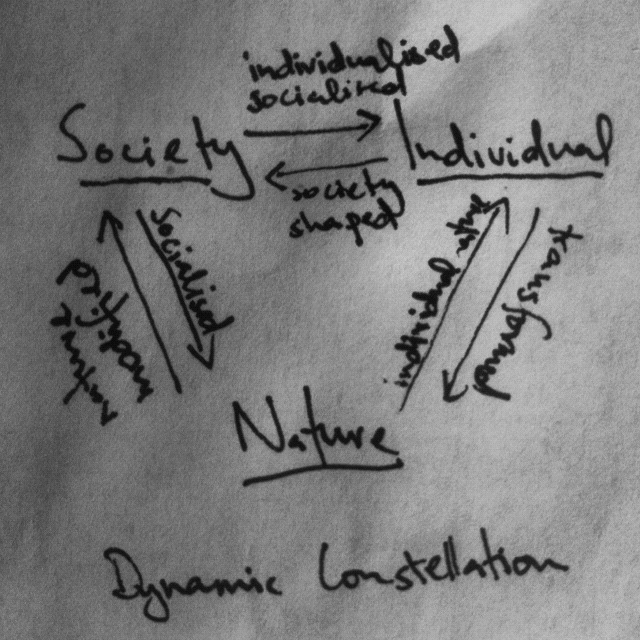
From this he followed that ‘non-intended’ side effects of individuals within (and against) structures can inadvertently undermine social or ecological conditions. While he ascribed individuals system-steering agency, he though a lack of a systems view posed a barrier to positive outcomes.  His suggestion for individual and collective action was to choose an appropriate scale; local, national or global, seek to understand that system and then apply pressure in ways that would have benefits to nature, society and individuals.  He urged the propelling global society and societal individual to draw support from structures but to be open and responsive to input from passionate individuals.‘Collective capability can create structures that allow for agency.’

For me it was really interesting to hear him string the old school social theorists together and then work out why society and sustainability aren’t really on speaking terms at the moment. But if nothing else – perhaps a fun dinner party conversation? I’ll bring the wine.

 

Posted in Uncategorized | Tagged , , , , , , , , , , , , , , , , , , | Leave a comment

Urban Archeology

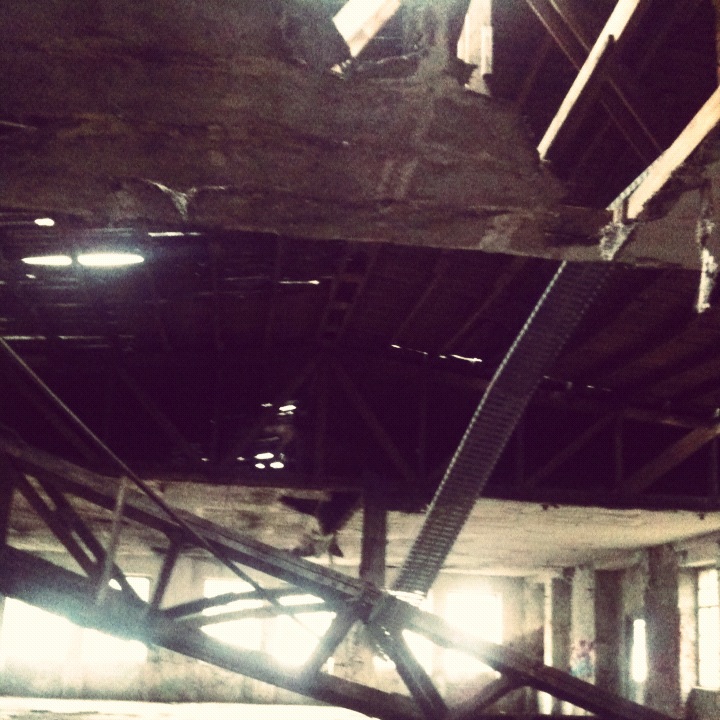
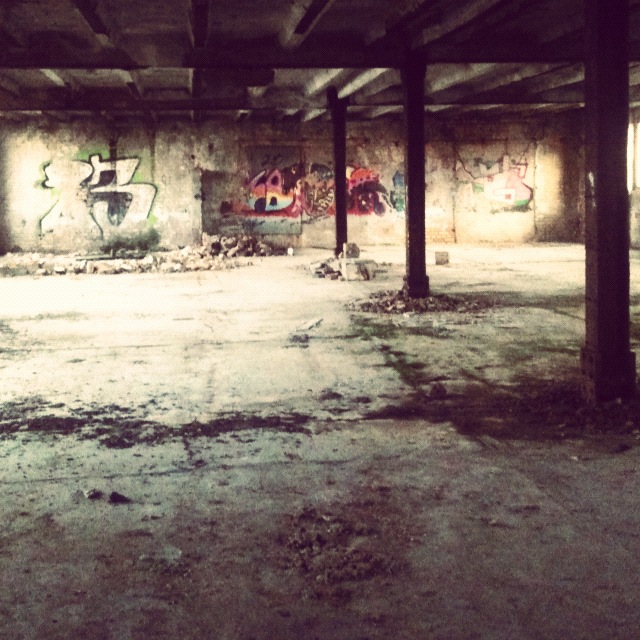
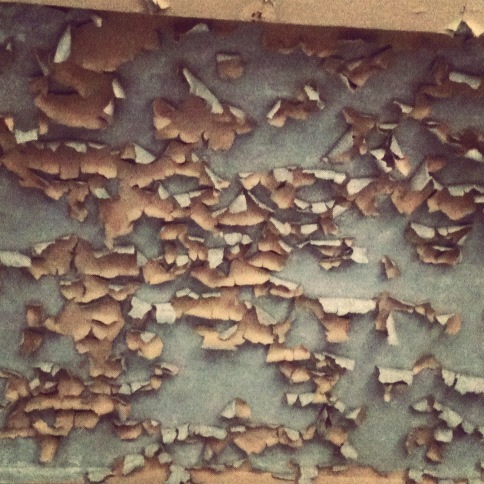
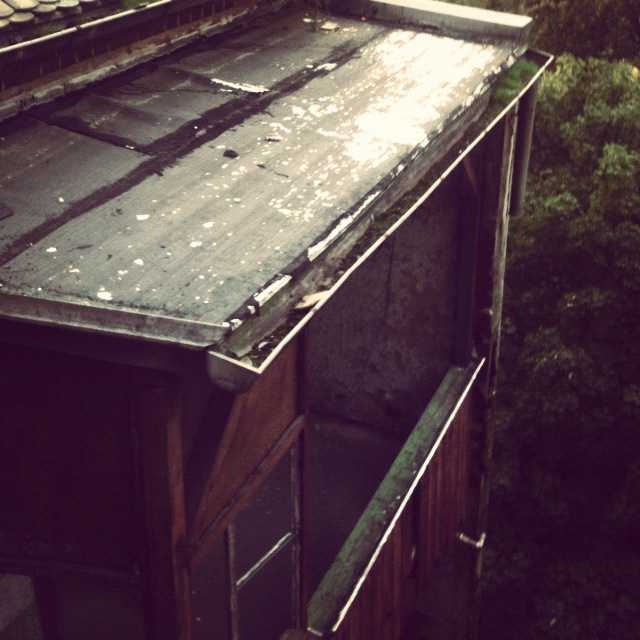
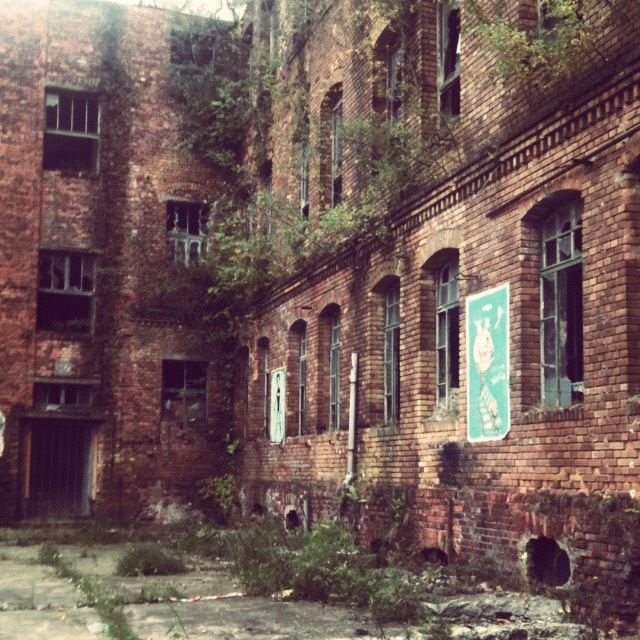
I spent the last few days in Leipzig. While there I met the owner of Kaffee Schwartz, Raymond Romanos, who introduced me to some of the issues facing East Germany. He told me about the initially drastic, now steady drift west, and Leipzig’s abandoned apartment conundrum.  Because so many people left their state appropriated dwellings no one really knows who these buildings belong to, and without the population to fill them they are falling to decay. There are government efforts to invigorate these spaces, and I stumbled into so many cute Frühstück pay by donation restaurants, and saw plenty of people making live performance art, whole buildings filled with artist studios and so many cute shops and cafés. I heard about friends buying whole buildings for €20,000 to make them over together. There is a vibrant aliveness to Leipzig, but it is hard to temper the still nearly 50,000 empty apartments.

I wanted to see some of these buildings for myself, so asked a friend to take me on an urban archaeology expedition.

Posted in Uncategorized | Tagged , , , , , , , , , , , , , | Leave a comment

Jill Meagher: Why?

The whole of Melbourne is numb.  Jill was taken from Sydney Road last Saturday night and extinguished by a stranger.  After being at Brunswick Green and Bar Etiquette.  The most local and friendly places in my Melbourne world.
Three out of my six Melbourne years were spent living within a coee of those bars; I even used to work at Bar Etiquette when it was still Frau Skill.  I’ve spent countless nights, and drinks, meeting friends, making strangers friends, laughing, debating, drinking and making plans with all and sundry.

Last night instead of sleeping my mind went back over all of those happy memories and scanned them for a hint of maliciousness.  I can’t comprehend what would turn one of those laughing encounters into the series of events that could lead to such brutal murder.  Is this something that an angry person would plan carefully and then go out and sully a beautiful innocence? Making someone, anyone, share some mischannelled hurt? Or was it a series of escalating interactions where he ultimately dominated? My mind just can’t imagine how this could happen.

Sydney Road is heart broken, both for Jill and the impending suspiciousness. Girls will think twice before laughing with people they haven’t met, and I’m not sure how long the clouds of distrust will linger.  But I don’t think that this sort of act is geographically bounded.  Or culturally constrained.

The seed of misdeed grows anywhere it can throw tenterhooks.  This is an opportunity for Melbourne, and Australia, to reinvigorate efforts in male mental health.  There are so many wonderful programs like Soften the Fck Up, that help men deal with emotions.  If you know someone you are worried about there has never been a better time to help them, help themselves, before they ruin their own lives, and drag such beautiful innocence down with them.

Posted in Uncategorized | Tagged , , , , | 1 Comment

Human Kindness

Today I broke my backpack.  Hoping to find a repairer I stopped by a leather jacket shop, one of the many proliferating Florence’s tourist district.  The lovely Indian man inside repaired it straight away and when I asked to pay wouldn’t accept my money.  I was really touched as I had assumed I would wait for ages and pay tourist prices.  Human kindness is alive and kicking!


Posted in Uncategorized | Tagged , , , | Leave a comment